Avoiding Eye Contact in 2-Year-Olds: What ABA Therapy Can Offer
In short: Avoiding eye contact in a 2-year-old is often a normal developmental stage, but it can also be an early sign of autism. Applied Behavior Analysis (ABA) therapy uses gentle, play-based techniques to encourage eye contact without forcing it, always respecting the child's comfort. As a free matching service, Nearby ABA Therapy connects families with BCBA-led providers who tailor interventions for each child's unique needs.
Key takeaways
- Avoiding eye contact in toddlers can be typical or an early indicator of autism spectrum disorder.
- ABA therapy addresses eye contact through positive reinforcement and naturalistic, play-based teaching-never forcing the child.
- Early intervention (as early as age 2) is crucial for building social-communication skills in a comfortable, respectful way.
- Insurance and Medicaid often cover ABA therapy; Nearby ABA Therapy helps families find covered providers quickly and for free.
If you have a 2-year-old who consistently avoids eye contact, you may feel worried or unsure about what it means. This behavior is common in early childhood, but it can also be an early sign of autism spectrum disorder (ASD). Understanding the difference is important, and knowing how to respond-especially with the help of evidence-based therapies like applied behavior analysis (ABA)-can make a real difference. As a free service, Nearby ABA Therapy connects families with vetted, BCBA-led ABA providers who specialize in meeting each child where they are.
Understanding Eye Contact Avoidance in Toddlers
Typical Development vs. Red Flags
Many 2-year-olds go through phases of avoiding eye contact. It can be a sign of shyness, a temporary preference for looking at objects, or simply a developing sense of autonomy. In typical development, toddlers may make eye contact inconsistently, especially when engaged in parallel play or focusing on a toy. However, if eye contact is rarely initiated, or if your child actively turns away when you speak, it may be worth monitoring alongside other behaviors.
Red flags that may indicate a need for further evaluation include: limited or no babbling by 12 months, no pointing or gesturing by 12 months, and loss of any language or social skills at any age. When combined with persistent lack of eye contact, these signs could point to autism. Always discuss concerns with your pediatrician or a developmental specialist.
Why Some Children Avoid Eye Contact
There are several reasons a toddler may avoid eye contact, even outside of autism. Sensory sensitivities can make direct gaze overwhelming-some children find it too bright, intense, or distracting. Social anxiety or shyness can also play a role. In autistic children, avoiding eye contact is often a natural way to regulate sensory input and reduce overstimulation. It is not a sign of disinterest or defiance; rather, it reflects a different way of processing the world.

🔗 Related reading: Ohio Autism Insurance Appeals: A Step-by-Step Playbook · Local ABA Therapy
The Role of ABA Therapy in Addressing Eye Contact
Principles of ABA: Positive Reinforcement
ABA therapy is rooted in the science of learning and behavior. When applied to eye contact, the focus is on positive reinforcement. Therapists do not force a child to make eye contact; instead, they create opportunities where the child naturally looks toward the therapist and is rewarded with a desired toy, activity, or social praise. Over time, this increases the likelihood that the child will initiate eye contact on their own.
Natural Environment Teaching (NET)
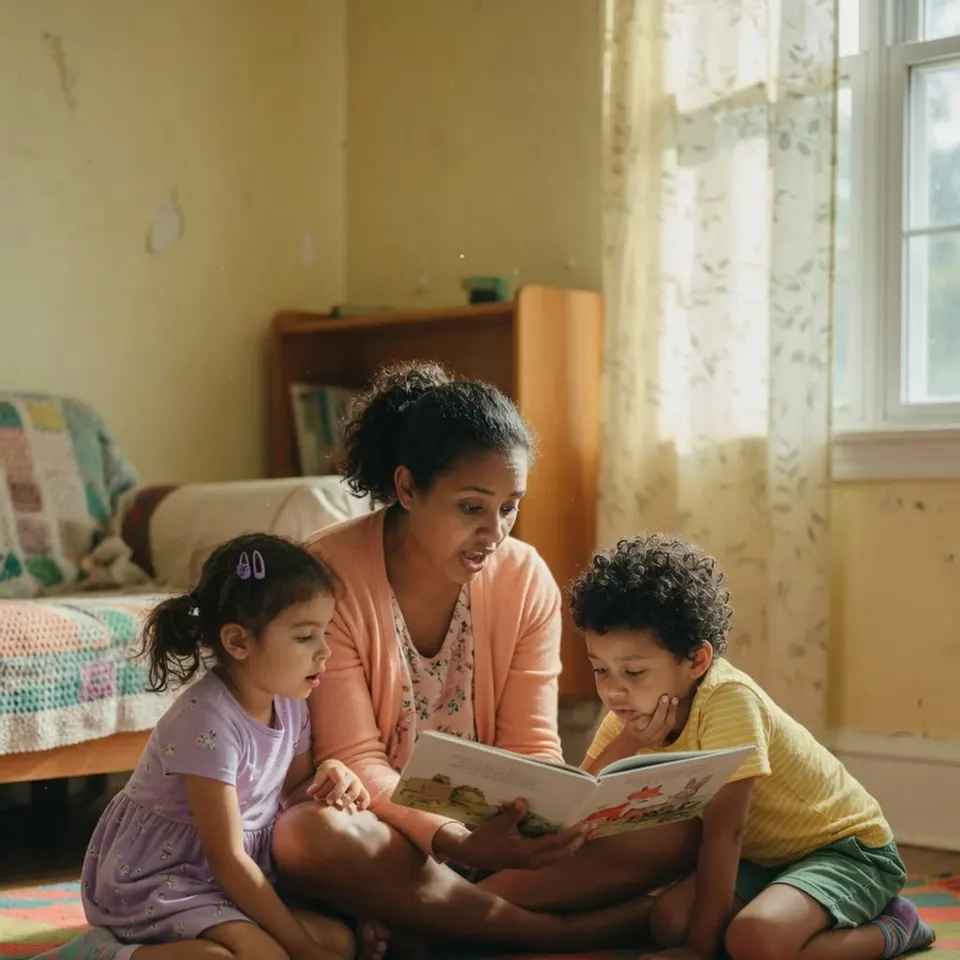
For a 2-year-old, the most effective ABA approaches are play-based. Natural Environment Teaching (NET) embeds goals into everyday activities like playing with blocks, blowing bubbles, or reading a picture book. The therapist might pause an engaging game and hold up a toy near their own eyes, encouraging a brief glance before continuing. This keeps learning fun and respectful of the child's comfort zone.
Individualized Goals and Respect for the Child
Every ABA program is tailored to the child. Goals for eye contact are set based on the family's values and the child's baseline. Some children work toward a brief look, while others aim for longer durations or multiple instances. The BCBA (Board Certified Behavior Analyst) ensures that targets are developmentally appropriate and never cause distress. No therapist will force eye contact or physically turn a child's head.
What to Expect in ABA Therapy for a 2-Year-Old
Initial Assessment and Goal Setting
After you connect with a BCBA-led provider through Nearby ABA Therapy, the first step is a comprehensive assessment. The BCBA observes your child in natural settings, interviews you about your concerns, and identifies strengths and areas for growth. Together, you'll set goals that matter to your family-whether that's improving eye contact, increasing joint attention, or expanding communication.
Play-Based Interventions
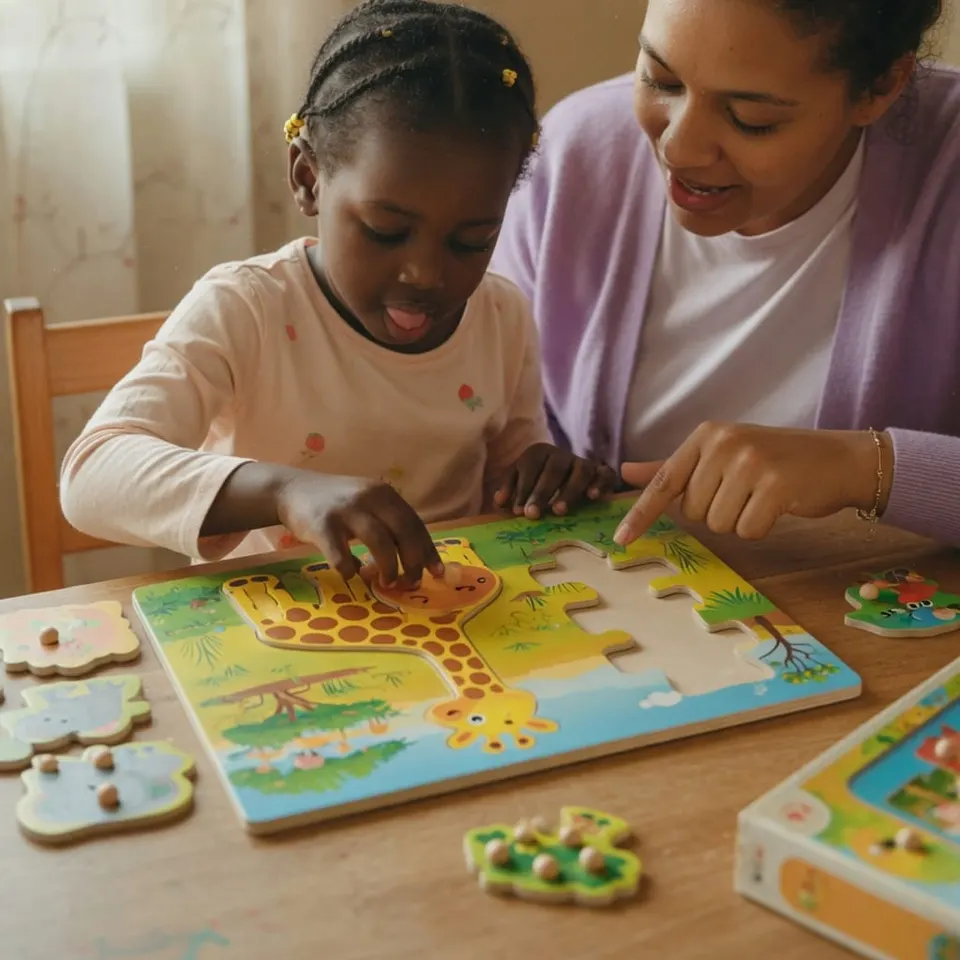
Therapy sessions for a 2-year-old look more like structured play than traditional drills. The therapist follows the child's lead, introducing targeted opportunities for eye contact during preferred activities. For instance, if the child loves bubbles, the therapist may hold the bubble wand near their own eyes before blowing. The child naturally looks toward the therapist's face, and the reward (bubbles) follows immediately.
Involving Parents and Caregivers
Parent training is a cornerstone of quality ABA. The BCBA teaches you strategies to reinforce comfortable eye contact at home-without pressure. You'll learn how to position yourself, use engaging tones, and pair eye contact with positive experiences. Many programs include regular parent coaching sessions so you can practice and ask questions.
🔗 Related reading: Autism Diagnosis in Arizona: A Step-by-Step Guide · Apply for ABA
Costs and Insurance Coverage for ABA Therapy
Does Insurance Cover ABA?
ABA therapy is recognized as an evidence-based treatment for autism, and most private insurance plans cover it when medically necessary. Coverage depends on your plan, but many states have laws requiring insurance to include ABA. Your deductible, copay, and session limits will vary. Nearby ABA Therapy can help you find providers who accept your insurance, saving you time and confusion.
Medicaid and State Programs
Medicaid (and Children's Health Insurance Program, CHIP) typically covers ABA therapy for eligible children. Many states also have early intervention programs (Part C of IDEA) that may provide free or low-cost services for children under 3. These programs often collaborate with ABA providers. You do not need a formal diagnosis to access early intervention-developmental delay is enough.
How Nearby ABA Therapy Helps with Insurance
As a free matching service, Nearby ABA Therapy works with you to understand your insurance coverage and preferences. We connect you exclusively with BCBA-led providers who are in-network with your plan or who can verify benefits. Our goal is to remove the financial guesswork so you can focus on your child's progress.
Practical Tips for Parents at Home
Encouraging Eye Contact Without Pressure
You can support your child's comfort with eye contact through everyday play. Get down to their eye level, use animated facial expressions, and pause just before giving a desired toy or snack to invite a glance. Always follow their lead-if they look away, respect that. The goal is to make eye contact a positive, voluntary choice.
Creating Engaging Interactions
Use toys and activities that naturally draw attention to your face: peek-a-boo, making silly sounds, blowing raspberries, or holding a stuffed animal near your eyes. Singing songs with hand motions also encourages brief moments of shared attention. Keep sessions short and fun-30 seconds of engagement is a win for a 2-year-old.
When to Seek Professional Help
If your child avoids eye contact 90% of the time, has lost skills, or you have other concerns about development, talk to your pediatrician. Early intervention is most effective when started before age 3. Nearby ABA Therapy can match you with a BCBA who will evaluate your child without pressure and help you decide if ABA is right for your family.
Common Myths and Mistakes to Avoid
Myth: Forcing Eye Contact Is Helpful
Never force your child to look at you by holding their face or saying "look at me." This can create negative associations and increase avoidance. ABA therapy respects the child's comfort and uses positive reinforcement to gently shape voluntary eye contact.
Myth: ABA Is Only for Severe Cases
ABA is effective for a wide range of support needs, from mild developmental delays to more significant challenges. Many families seek ABA early, when it can have the greatest impact on social communication skills like eye contact.
Mistake: Waiting to See If It Passes
While some toddlers grow out of avoiding eye contact, waiting too long can miss a window for early intervention. If you have concerns, it's better to get an evaluation. Even if your child is just shy, the strategies from ABA can help build confidence. Nearby ABA Therapy makes it easy to start with a free consultation.
How Nearby ABA Therapy Connects You with Providers
Nearby ABA Therapy is a free service that matches families with BCBA-led providers in your area. You fill out a short form about your child's needs, insurance, and location. Our team then curates a list of vetted providers who specialize in early intervention and are ready to support your family. There is no obligation, and you remain in control of choosing the right fit.
We understand that navigating therapy options can be overwhelming. That's why we focus on connecting you with providers who use respectful, evidence-based practices for toddlers. Whether you are just starting to explore or already have a diagnosis, we are here to help you find the right support for your 2-year-old-including strategies for comfortable, meaningful eye contact.
If you have questions or want to get matched, visit nearbyabatherapy.com and take the first step today.