New York ABA Therapy for a 6-Year-Old at Home: What Parents Need to Know
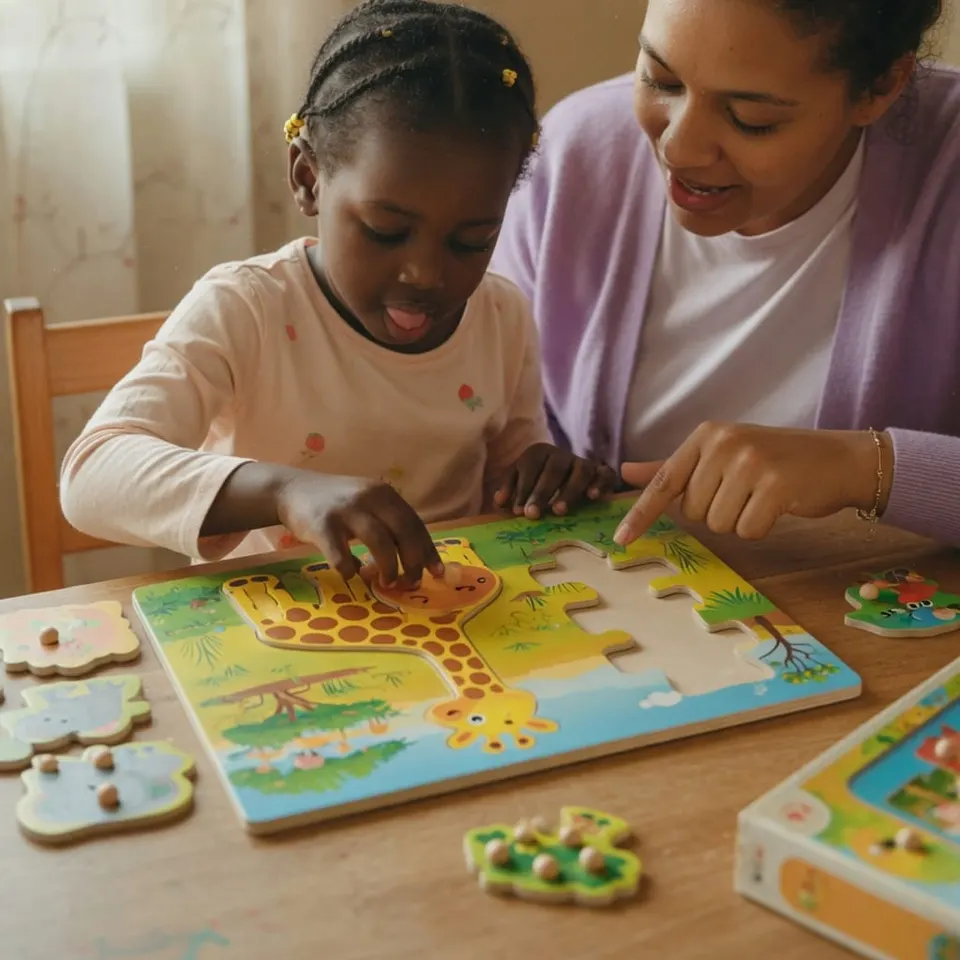
In short: In-home ABA therapy for a 6-year-old in New York is a personalized, evidence-based approach that helps children build skills in their natural environment. It is often covered by insurance, including Medicaid, and can be accessed through a free matching service like Nearby ABA Therapy, which connects families with vetted, BCBA-led providers. The therapy focuses on communication, social skills, and daily living, with sessions tailored to your child's unique needs.
Key takeaways
- In-home ABA therapy for a 6-year-old in New York is covered by most insurance plans, including Medicaid, and can be accessed through a free matching service.
- A Board Certified Behavior Analyst (BCBA) designs and oversees the therapy plan, ensuring it is individualized and evidence-based.
- Sessions typically involve play-based learning, skill-building, and parent training, all within the comfort of your home.
- Early intervention at age 6 can lead to significant improvements in communication, social skills, and independence.
What Is In-Home ABA Therapy for a 6-Year-Old?
Applied Behavior Analysis (ABA) therapy is a scientifically proven approach to understanding and changing behavior. For a 6-year-old, in-home ABA therapy brings these techniques directly into your family's living space. A trained therapist, supervised by a Board Certified Behavior Analyst (BCBA), works one-on-one with your child to teach new skills and reduce challenging behaviors. The goal is to help your child thrive in their natural environment, whether that's learning to communicate needs, playing with siblings, or following daily routines.
In New York, many families choose in-home therapy because it allows the child to learn in a familiar setting, which can reduce anxiety and make skills more transferable to real-life situations. The therapy is highly individualized, focusing on your child's specific strengths and challenges.

🔗 Related reading: ABA Provider Shortages in Texas: What to Do While Waiting · Apply for ABA
Why Choose In-Home ABA Therapy for a 6-Year-Old?
Natural Environment Learning
At age 6, children are often preparing for or already in school. In-home therapy allows the BCBA to work on skills that directly apply to your home life, such as getting dressed, brushing teeth, or following instructions from parents. This naturalistic approach helps your child generalize skills more effectively than in a clinic setting.
Family Involvement
In-home ABA therapy includes parent training as a core component. You'll learn strategies to support your child's development between sessions, creating a consistent and supportive environment. This collaboration is key to long-term success.
Flexibility and Convenience
New York families often have busy schedules. In-home therapy eliminates travel time and can be scheduled around your family's routine, making it easier to maintain consistency.
What to Expect from In-Home ABA Therapy Sessions
Initial Assessment
The process begins with a comprehensive assessment by a BCBA. They will observe your child, interview you, and review any previous evaluations. This assessment identifies your child's strengths, areas for growth, and specific goals.
Individualized Treatment Plan
Based on the assessment, the BCBA creates a detailed plan with measurable objectives. For a 6-year-old, goals might include improving communication (e.g., requesting items, answering questions), social skills (e.g., turn-taking, sharing), self-care (e.g., toileting, dressing), and reducing behaviors like tantrums or elopement.
Session Structure
Sessions typically last 2-4 hours, several times a week. A registered behavior technician (RBT) works directly with your child, using positive reinforcement to teach new skills. The BCBA supervises regularly, adjusting the plan as needed. Play is a central part of therapy, making learning fun and engaging.
Parent Training
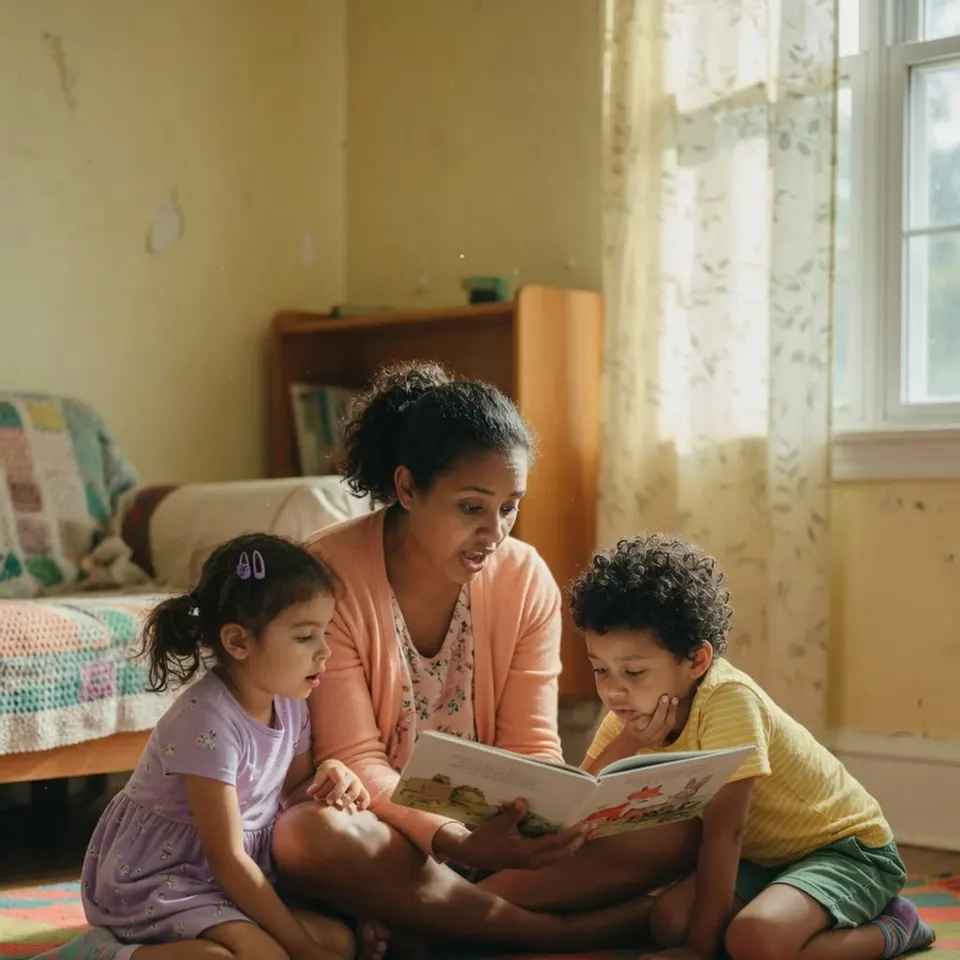
You'll receive regular coaching on how to implement strategies at home. This might include modeling techniques, role-playing, and discussing progress. The goal is to empower you to support your child's growth beyond therapy hours.
🔗 Related reading: ABA Therapy Access: Rural vs Urban Wisconsin · Get ABA Therapy
Cost and Insurance Coverage for ABA Therapy in New York
Insurance Mandates
New York State requires most health insurance plans to cover ABA therapy for autism, thanks to the Autism Health Insurance Mandate. This includes both private insurance and Medicaid. Coverage typically includes assessment, therapy sessions, and parent training.
Medicaid and Early Intervention
For families with Medicaid, ABA therapy is covered through the state's Medicaid program. Additionally, children under 3 may qualify for Early Intervention services, but for a 6-year-old, you would typically access therapy through your insurance or the school district (if eligible for special education services).
Out-of-Pocket Costs
While insurance covers most costs, you may have copays or deductibles. Some providers offer sliding scale fees, but it's best to verify with your insurance plan. A free matching service like Nearby ABA Therapy can help you find providers who accept your insurance, saving you time and money.
How to Find a Vetted BCBA-Led Provider in New York
Using a Free Matching Service
Nearby ABA Therapy is a free service that connects families with vetted, BCBA-led providers in New York. You simply provide your location and insurance details, and we match you with providers who have availability and expertise. This eliminates the stress of calling multiple clinics and ensures you find a qualified team.
What to Look for in a Provider
When choosing a provider, ensure they are led by a BCBA with experience working with 6-year-olds. Ask about their approach to parent training, session frequency, and how they handle challenging behaviors. A good provider will offer a free consultation to discuss your child's needs.
Questions to Ask
- How do you individualize therapy for my child?
- What is the supervision ratio of BCBA to RBT?
- How do you involve parents in the process?
- What insurance plans do you accept?
- What is the typical wait time for services?

Common Mistakes to Avoid When Starting ABA Therapy
Not Verifying Insurance Coverage
Always confirm your insurance benefits before starting therapy. Some plans require pre-authorization or have specific network providers. A matching service can help with this step.
Expecting Immediate Results
ABA therapy is a gradual process. Progress may be slow at first, but consistency is key. Celebrate small wins and trust the process.
Neglecting Parent Training
Parent involvement is crucial. Skipping training sessions can limit your child's progress. Make time to learn and practice strategies at home.
Choosing a Provider Without a BCBA
Always ensure the provider is supervised by a BCBA. This guarantees the therapy is evidence-based and tailored to your child.
Practical Tips for Success with In-Home ABA Therapy
Create a Dedicated Space
Set up a quiet, distraction-free area for therapy sessions. This helps your child focus and signals that it's learning time.
Communicate Openly with the Team
Share your observations and concerns with the BCBA and RBT. Collaboration leads to better outcomes.
Incorporate Therapy into Daily Life
Use the strategies you learn during everyday activities like mealtime, bath time, and play. This reinforces skills in natural contexts.
Take Care of Yourself
Parenting a child with autism can be challenging. Seek support from local groups or online communities. Your well-being matters too.
Conclusion
In-home ABA therapy for a 6-year-old in New York offers a powerful way to support your child's development in a familiar, comfortable setting. With insurance coverage widely available and free matching services like Nearby ABA Therapy to connect you with vetted providers, accessing quality care is easier than ever. By understanding what to expect, avoiding common pitfalls, and actively participating in the process, you can help your child build essential skills and thrive at home and beyond.