Social Skills Groups vs ABA for 7-Year-Olds: Which Is Right for Your Child?
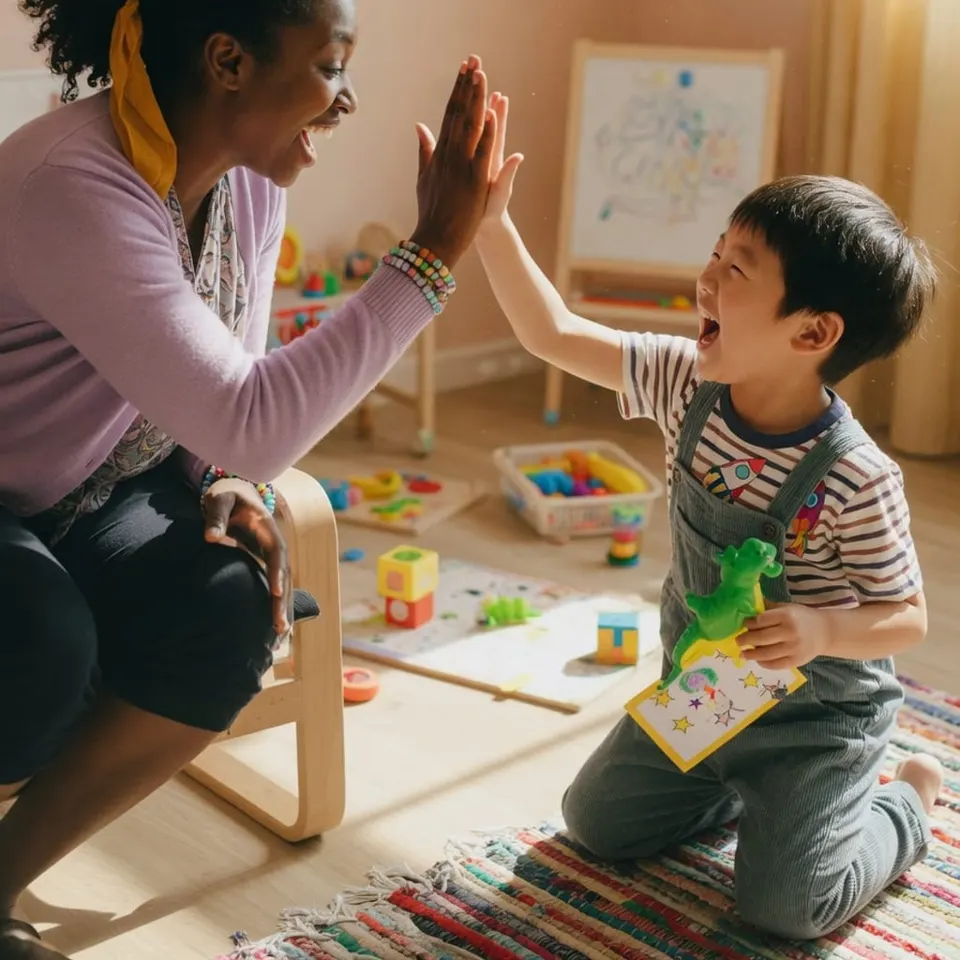
In short: For many 7-year-olds with autism, social skills groups and ABA therapy serve different but complementary purposes. ABA focuses on building foundational skills through data-driven, individualized teaching, while social skills groups provide a natural setting to practice peer interaction. Often, a combination works best, and both may be covered by insurance.
Key takeaways
- ABA therapy is typically one-on-one and goal-oriented, addressing communication, behavior, and daily living skills.
- Social skills groups offer a structured environment to practice interaction with peers, often led by a therapist or counselor.
- For a 7-year-old, ABA can help prepare for social group success by teaching prerequisite skills.
- Many insurance plans, including Medicaid, cover ABA; social skills groups may also be covered if deemed a medical necessity.
Why Parents Consider Social Skills Groups and ABA at Age 7
When your child reaches age 7, social expectations begin to shift. School requires more group work, friendships become more nuanced, and the ability to read social cues matters more than ever. For parents of autistic children, deciding between social skills groups and ABA therapy can feel overwhelming. Both approaches offer valuable support, but they target different areas. Understanding the core differences helps you choose - or combine - the right options for your 7-year-old. As a free matching service, Nearby ABA Therapy can connect you with BCBA-led providers who offer both ABA and social skills programming tailored to your child's needs.

🔗 Related reading: ABA Provider Shortages in Texas: What to Do While Waiting · Apply for ABA
What Is ABA Therapy for 7-Year-Olds?
Applied Behavior Analysis (ABA) therapy is an evidence-based, individualized approach that focuses on teaching meaningful skills and reducing behaviors that interfere with learning and daily life. For a 7-year-old, ABA often targets:
- Communication: Using words, pictures, or AAC to express wants, needs, and emotions.
- Social skills: Turn-taking, joint attention, initiating conversations, and understanding emotions.
- Self-regulation: Managing frustration, transitioning between activities, and using coping strategies.
- Daily living skills: Dressing, hygiene, and following routines.
ABA is typically delivered one-on-one by a Registered Behavior Technician (RBT) under the supervision of a Board Certified Behavior Analyst (BCBA). Sessions are data-driven, meaning progress is measured and programs are adjusted continuously. Many families find ABA helps build the foundation needed for more naturalistic social interactions.
How ABA Differs for a 7-Year-Old vs. Younger Children
At age 7, sessions may look more like guided play or conversation practice than discrete trial flashcards. Providers often incorporate natural environment teaching (NET) to make skills relevant to real-life situations. Insurance coverage, including Medicaid, often includes ABA for children this age when a diagnosis of autism is present.
What Are Social Skills Groups?
Social skills groups are structured, small-group settings where children practice interacting with peers. Led by a trained facilitator - often a speech-language pathologist, social worker, or behavior analyst - groups follow a curriculum that may include:
- Role-playing common social scenarios (e.g., joining a game, asking for help).
- Discussing emotions and perspective-taking.
- Practicing conversational skills like asking questions and waiting turns.
- Working on compromise and conflict resolution.
Groups typically meet weekly for 45 minutes to an hour. The group size seldom exceeds six children, allowing each child to participate actively. For a 7-year-old, the focus is often on peer entry, flexibility, and managing social anxiety.
Types of Social Skills Groups
Some groups are age-specific, some are skill-specific (e.g., conversation skills), and others are based on a specific curriculum like PEERS or Social Thinking. The facilitator's background matters: groups led by or supervised by a BCBA often integrate ABA principles for maximum effectiveness.
🔗 Related reading: Autism Support Groups for Washington Parents · Get ABA Therapy
Key Differences Between ABA and Social Skills Groups
While both aim to improve social competence, their methods and settings differ:
- Setting: ABA is mainly one-on-one; social skills groups are small-group.
- Individualization: ABA is highly individualized; groups follow a set curriculum with some personalization.
- Data collection: ABA tracks every response; groups may use less formal progress notes.
- Focus: ABA builds foundational skills (e.g., receptive language, tolerating frustration); groups provide practice in a natural peer context.
- Provider: ABA requires a BCBA; groups may be led by various professionals.
Neither is inherently superior; the best choice depends on your child's current readiness. A child who struggles with basic joint attention or severe anxiety may benefit from ABA first. A child with good foundational skills but difficulty with peer interaction may thrive in a group setting immediately.
How ABA and Social Skills Groups Can Work Together
Many professionals recommend a combined approach. ABA can prepare a child for social group success by teaching prerequisite skills in a low-stress environment. Then, the social skills group provides the opportunity to generalize those skills with peers. For example, an ABA program might target initiating conversation. Once mastered one-on-one, the child can practice in a social group with support.
Some ABA providers also offer social skills groups as part of their programming. When both are overseen by the same BCBA, coordination is seamless. Nearby ABA Therapy can help you find providers that offer both services, simplifying your search.
What to Look for in Providers
Whether you choose ABA, a social skills group, or both, the quality of the provider makes all the difference.
For ABA Therapy
- BCBA-led supervision with regular parent training
- Individualized treatment plan based on a functional assessment
- Data tracking and transparent progress updates
- Experience with 7-year-old children and social goals
For Social Skills Groups
- Small group size (3-6 children)
- Facilitator with training in autism and behavior strategies
- Structured curriculum with clear goals
- Opportunities for parent observation or feedback
If the group is led by someone other than a BCBA, ask how they handle challenging behaviors. A group that uses punishment or exclusion may not be a good fit.
Insurance and Costs
ABA therapy is widely covered by insurance, including Medicaid under EPSDT benefits. Many private plans also cover ABA when prescribed by a physician. Social skills groups, however, have more variable coverage. Some are offered through schools or community centers at low cost. Others are billed as therapy (speech, occupational, or behavioral) and may be covered if they meet medical necessity criteria. Always verify coverage with your insurance provider and ask for a superbill if needed.
Nearby ABA Therapy's matching service is free and can help identify providers who accept your insurance, whether you're looking for ABA, social skills groups, or both.
Making the Choice for Your Child
Begin by discussing with your child's BCBA (if they receive ABA) or your developmental pediatrician. They can help identify your child's specific strengths and needs. Consider:
- Is your child able to follow simple group instructions? If not, ABA may be needed first.
- Does your child show interest in peers but struggle to interact? A social skills group could be ideal.
- Is your child easily overwhelmed in groups? Start with ABA to build coping skills.
Remember, your child can start one approach and add the other later. Flexibility is key as your child grows and changes.
Conclusion: Free Support to Find the Right Provider
Deciding between social skills groups and ABA therapy for your 7-year-old doesn't have to be a solo journey. Both options offer powerful tools for social development, and many children benefit from a blend of the two. The most important step is finding qualified, vetted providers who understand your child's unique needs. Nearby ABA Therapy is a free service that matches families with BCBA-led providers in your area. We can help you compare options, check insurance coverage, and find the right fit - at no cost to you. Visit nearbyabatherapy.com to start your search today.